
By Elena Whitford, Arts & Culture Editor

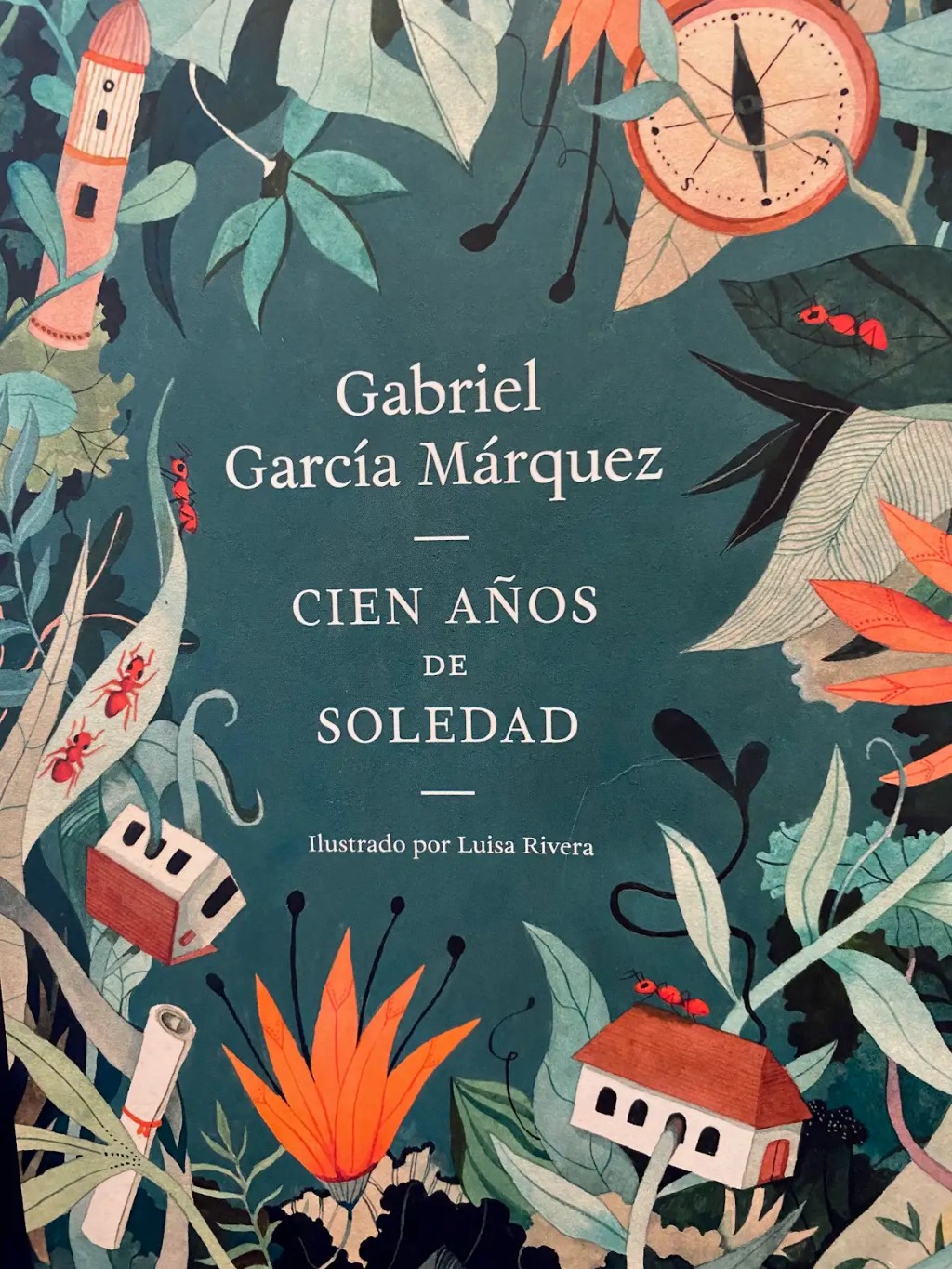
When Gabriel García Márquez, author of the wildly popular novel Cien años de soledad (One Hundred Years of Solitude), was asked about a potential adaptation of his masterpiece, he replied that it could never be possible. The novel, which follows seven generations of a fictional Colombian family, was simply too expansive to fit into even the longest of movies, and García Márquez refused to see it realized in a language other than Spanish.
His sons, however, were not deterred. After García Márquez’s death in 2014, they sold the rights to Netflix, with a few conditions: the adaptation would not be a film, but rather a 16-episode show. Actors would speak only Spanish, and the new series would be filmed on location in Colombia, García Márquez’s home country and a setting integral to the very soul of the novel.
The result: millions of Latin Americans, my family included, held our breath in anticipation for an awkward and disrespectful retelling. But on Dec. 11, our worries all but dissipated, because despite all the times that One Hundred Years of Solitude was labeled unadaptable, Netflix’s version is gorgeous, compelling and, most importantly, faithful to its source material.
But first, what is One Hundred Years of Solitude even about? Those familiar with the story know that answering that question is complicated. It’s first and foremost a family drama, but each chapter holds self-contained stories of romance, politics, war, friendship, tragedy and rebellion. Accordingly, the episodic format is ideal for covering different events in the lives of the Buendías, from the plague of insanity that descends upon their town to the harsh military rule experienced — and imposed — by certain family members.
Season one of the show covers the first half of the book, about 50 years and four generations of the Buendía family. We see the town of Macondo grow from a few wooden shacks to a cute little town to a small city complete with a mayor’s mansion. Meanwhile, we go through quite a few casting changes, with each major character having at least two actors playing them (and, I’m guessing, more coming in the second part).
But these changes never feel rushed or unnatural like they would in a more traditional TV show that has its story changed on the whims of the writers’ room. Here, the breadth of the source material works to the series’ benefit and not its detriment; García Márquez has crafted the story so lovingly that every unlikely event or sudden time-skip feels logical, even inevitable.
Of course, when a beloved book is adapted, there will always be controversial changes. In my case, it’s some of the casting decisions: while some, such as Úrsula and Coronel Aureliano Buendía, were close to how I imagined them, others were off and slightly lessened the smoothness of the transition from novel to series. Despite the effort made by showrunners to stay faithful to the original material, these details make it clear that doing so fully is impossible.
That’s a minor quibble, though, and there’s so much more to love. In an effort to be as authentic as possible, the production team has sourced indigenous Colombian designers to create almost all of the sets, costumes and props. The addition of a narrator also helps do justice to the authorial voice of García Márquez, as both versions of the story have little dialogue.
One final suggestion: before diving into this exquisite series, read the book first. Really.
Yes, it’s a long time commitment — the novel is long by anyone’s standards, and “hard to follow” is an understatement in a story with dozens of characters named Aureliano. But I truly believe that the condition for viewing this beautiful show, both because of its design and out of respect to the memory of Gabriel García Márquez, is a familiarity with the source material. This is not the type of show you watch to avoid reading the book.
I promise that both experiences will be worth it.


![[Photo Gallery] Homecoming Football Game Payton vs. Brooks](https://paytonpawprint.com/wp-content/uploads/2026/03/img_4761.jpeg?w=1024)
 The Paw Print
Leave a comment