
By Isabella Sun, Associate News & Features Editor
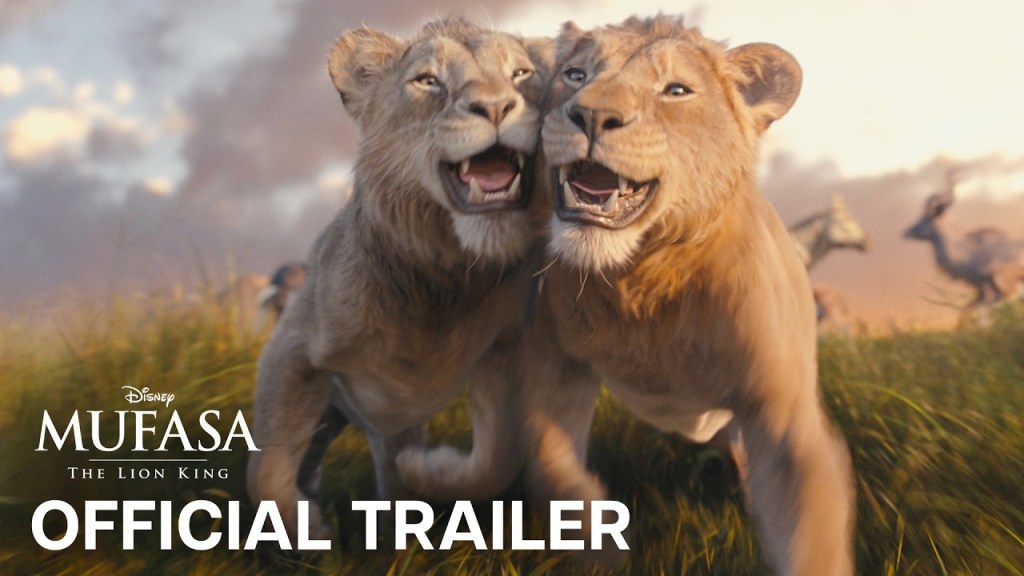
More than thirty years ago, on Jul. 24, 1994, Disney released The Lion King, aiming to create a coming-of-age story with human emotions within an animal world. Drawing inspiration from African culture, observations of lion behavior and the “circle of life” concept, The Lion King easily became one of the greatest movies produced by Disney. Many viewers were skeptical that its prequel would be able to preserve the beauty of its predecessor. Whether it did or not is incredibly controversial.
On Dec. 20, 2024, Mufasa: The Lion King was released. Worldwide, reactions to the movie varied. While many complimented the meaningful journey that Mufasa experienced, some also complained that the storyline was too cliché. I personally believe that the movie fell flat. Mufasa: The Lion King fails to bring back the magic that the original brought because it is too focused on trying to connect the two movies. Because of that, the prequel nearly ruins the nostalgia of the original.
However, no one has seemed to notice a very un-Disney-like detail. Even after three months, critics and the audience alike did not talk about the hidden message that director Barry Jenkins builds up throughout the story.
The movie follows Mufasa’s story, which brings nothing new as a near-copy of Simba’s original story. The movie starts out with Mufasa’s home getting ravaged by floods, a reference to the beginning of The Lion King. In search of his parents, he joins Taka, the son of another lion king, who saves him from an alligator. When both Mufasa and Taka grow into adult lions, they are forced to run away from the tribe because of predatory white lions who declare themselves as the rulers. Along his journey, the companions that join Mufasa and the enemies that follow him are all incredibly predictable and are less impactful than the sequel.
Most of the characters in the story barely change through the story. Mufasa (Aaron Pierre) is brave, talented, and a stagnant textbook hero. Sarabi (Tiffany Boone), the female lioness, is confident, courageous and the obvious pick for a future queen. The overarching villain, Kiros (Mads Mikkelsen), is a vicious, white lion whose anger and hatred against Mufasa lead him to follow the path of never-ending vengeance. Taka (Kelvin Harrison Jr.), a mischievous lion who later became the notorious Scar, is the only developing character.
For the first ninety minutes of the movie, the flatness of the characters make all their actions all incredibly predictable. Mufasa kills the son of Kiros, so Kiros leads his entire pack of lions and lionesses to hunt down Mufasa. Time and time again, Mufasa displays his prowess as a cunning and brave lion, from covering up their tracks in the snow to saving Sarabi from a stampede of wild elephants. The most cliché development is the love triangle among the three lions. Taka falls in love with Sarabi and asks Mufasa to become his wingman. Mufasa, who pledged loyalty to Taka, the supposed future king, agrees but falls in love instead. Because Sarabi reciprocates Mufasa’s feelings, Taka betrays Mufasa and joins Kiros.
The climax builds up in the last thirty minutes of the movie: Mufasa and Kiros fight to the death to determine who is the lion king. In this fight, despite betraying him, Taka saves Mufasa two times during the fight against Kiros. Although Taka is extremely angry with Mufasa, he realizes what he has done wrong and decides to do the right thing.
By both betraying and saving Mufasa, Taka is the most human out of all the characters. He feels anger, sadness, friendship, and love. He does stupid things. He regrets them. He isn’t the most noble or the most evil. Taka is, in fact, the kindest character in the entire movie.
We all know what happens to Mufasa and Scar in The Lion King. Scar ends up betraying Mufasa, throwing him into the stampede of wildebeests, and this time, he has absolutely zero regrets or hesitation as he does so. Scar gives Mufasa a gleeful smile as Mufasa drops to his death. It is sad to see such a kind-hearted character fall into evil this way, knowing that he gave up everything he wanted to save him. As Rafiki explains Scar’s backstory, he becomes morally gray, but because of his human-like actions, Taka ultimately remains someone the audience wants to root for.
At the very end, I felt pity for Taka. Although he made a mistake, without his participation, Mufasa would have died in the battle against Kiros. Despite this, Mufasa refused to ever look at Taka as Taka. That is how Taka died and Scar was born.
No matter how kind Taka was, it wouldn’t have led him to a happier ending. Doing the right thing doesn’t mean that it leads to the best outcome. In the end, Taka’s kindness, emotions and humanness have no place in the world of The Lion King and do not make him fit to be the lion king.
Mufasa: The Lion King is a parallel to how life works. Those who are kind and stay honorable to the very end do not necessarily get what they deserve. No matter how redeeming their actions are, those who are the strongest will win in the end. Mufasa was stronger, could defeat more opponents, and protected everyone better than Taka could. Taka was left behind. Had Taka let go, he could have been the lion king. But because of his kindness, he didn’t. That’s what led him to be abandoned and what fundamentally changed him from Taka to Scar.
The prequel sheds a new light to the original movie. It is also incredibly un-Disney-like. The first movie depicted Scar as a desperate, power-hungry villain. The message of The Lion King was to explain the importance of responsibility, duty, and the interconnectedness of life. Mufasa: The Lion King may have unintentionally warped that message.
Life isn’t always fair and Mufasa: The Lion King is a great example of that. While it does explain how bravery, self-confidence and friendship are important, it also contains a hidden message: kindness can’t get you everywhere.
![[Photo Gallery] Homecoming Football Game Payton vs. Brooks](https://paytonpawprint.com/wp-content/uploads/2026/03/img_4761.jpeg?w=1024)
 The Paw Print
Leave a comment