

By Annabel Simon, Staff Writer
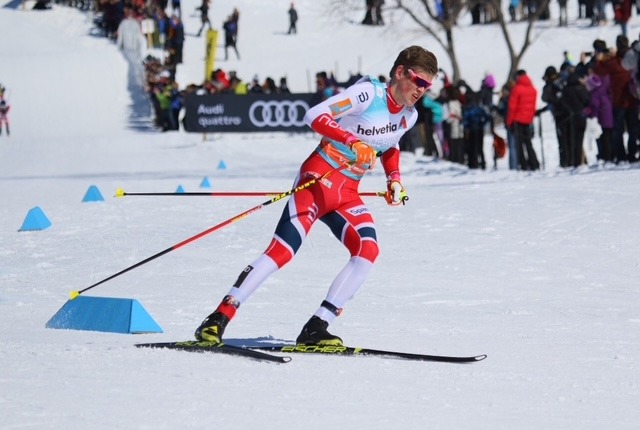
As the 2026 Olympics come to a close, I could not help but be filled with shock at “Team U.S.A.” coming out second to Norway in both the total and amount of golds won by their athletes. I had been raised on the pride that we had the very best of everything, whether that came in job form or economic opportunities. While I have been disillusioned from those other purported truths, in my mind, “Team U.S.A.” was still a powerhouse, a force to be reckoned with. However, Norway seems to have shattered that vision for me, as well as my last sliver of pride in my country. How they did so, nonetheless, is where the real mystery arises.
With an average temperature of 3 celsius and a winter lasting five entire months, Norway is what some would call a winter athlete’s dream. Their atmosphere was in fact so well suited to skiing that they were able to use cross country skiers as patrollers during wars, leaving no surprise that they were so successful in their cross country (6 gold medals!) While Norway’s climate and surrounding atmosphere is far more suited year round to the winter olympics than the United States climate (this was where Frozen was based, afterall), their true power lies in their foundations set for their child athletes. The U.S, likened to other countries such as France or London, focuses on pushing their youth to the extreme. We like to exploit any shred of talent we can find in the hopes that it might spiral into a career. In the youth sport department, this comes in the terms of travel sports, extensive training, and the prestige of club athletic teams. These tactics are supposed to turn our measly passions into a cash plant that grows with age and ability, one of the reasons that so many of Team U.S.A.’s members are under 20 this year. However, Norway’s more laid back policy encapsules the key to walking away with 18 Olympic gold medals.
In 2015, Norway went viral for its exceptionally humane prison environment, going so far as to be featured in famed American news outlet, The New York Times. This is a rather interesting glimpse into the lives of Norwegians, where the egalitarian state of mind pertains to youth athletics, as well as prisons. In Norway, forgoing the stress of the American mindset, children are encouraged to do as many sports as possible, without the pressure of narrowing it down and perfecting one. The head olympics coach for Norway, Tore Oevreboe, explains, “The main objective for us is to make the athletes have fun all the way through the Games,” This line of thinking is to encourage children as well as professional athletes to become well rounded and fulfilled individuals, as well as to foster social skills and build positive experiences in their athletic journeys, which leads to them curating a love for the sport without the pressure of winning or disappointing your teammates.
The passion Norwegian competitors feel for their sports is tangible, even while watching thousands of miles away through a screen. Nonetheless, we are not left to base our judgement on their perceived happiness, as their thinking is backed by science. A study by the American Association of Pediatrics indicates that 70% of American kids will quit sports by the time they are 13 due to burnout and stress related injury. Because of the “Children’s Rights in Sports Act”, adopted by Norway in 2007, there is no scorekeeping in children’s sports until the child themselves turns 13, with the rule placed with the intent that kids focus on fun and physical activity rather than wins. Consequently, 9 out of 10 kids in Norway play one or more sport, with burnout levels sitting significantly low, at only 10% of children reporting mediocre to high burnout.
The burnout does not seem to end with children. Even if you surpass these statistics and play a sport long enough to be considered for the Olympics, we have seen the effects on our screens this winter. Just last week, American skiing icon Lindsey Vonn took a horrific fall on her way down the mountain, just weeks after tearing her ACL, leading to her being airlifted off the mountain by a helicopter. The pressure on Vonn to compete in the Olympics was immeasurable, exposing the American mentality of “walking it off”. All this collectively leads us to wonder, if we adopted the repose of our Norwegian allies, would we be left in this situation?
This winter, my remaining All-American spirit was dropped after the final ceremonies. While I am certainly not claiming that ranking second is something to be ashamed of, the mind does wander to the idea of what might’ve been if we adopted some of Norway’s ideologies. I certainly wouldn’t mind the idea of their near universal childcare for my siblings, or their one year of paid sick days for my parents. The Nordic perception of the world where your sum as a human is not based on what you are able to do so much as who you are is a well needed reality check of what is truly important. This winter, if nothing else is learned, maybe we can all take a message from our Norwegian peers and chill out.







Leave a Reply