

By Madina Bakhodirjonova, Staff Writer
In the fall of 2021, many Chicago Public Schools students returned to their classes blindly groping for their glasses, straining to see the board and experiencing sudden headaches looking at their everyday classroom bustle through a hazy, distorted cloud. Sure, they could manage reading and typing up close, but trying to tell what the foreign signs on the school crosswalk meant? It was a serious struggle.
They were not alone. Myopia is an irreversible condition that makes it difficult to see objects that are far away as clearly as objects that are close. This condition emerges during childhood and is prevalent in ⅓ of the global youth population. Kids can develop myopia when there is a constant exposure to screens and other near-work.
One such kid is my 10-year-old brother who had been prescribed glasses when he was seven. As of June 2024, he has been wearing special contact lenses that apply pressure on the cornea in order to prevent further growth. It is painful, and my brother has to wear them every night until he is 18.
He is not alone; youth around the world have been prescribed glasses and Ortho-K eyewear at rates higher than ever before. By 2050, the myopic condition has been estimated to affect nearly 49.8% of the global population.
Chicago’s rise in myopic cases is one that is reflective of a world-wide issue concerning declining optical health. Studies find Anglo-America, Eastern and Southern Asia and Eastern Europe to have highly myopic populations, especially in urban areas, and research predicting the long-term global effects suggests South Africa, Latin America and Asia Pacific will develop populations where a majority have a near-sighted condition. These areas may overshadow current regions of concern, due to the lack of resources and standard health education.
The younger the child that develops myopia, the higher the risk of developing eye problems such as glaucoma and cataracts, which will lead to eventual blindness without serious medical attention. In cases of high myopia, families have to resort to increasingly severe procedures like laser therapy in order to fix the child’s eyesight.
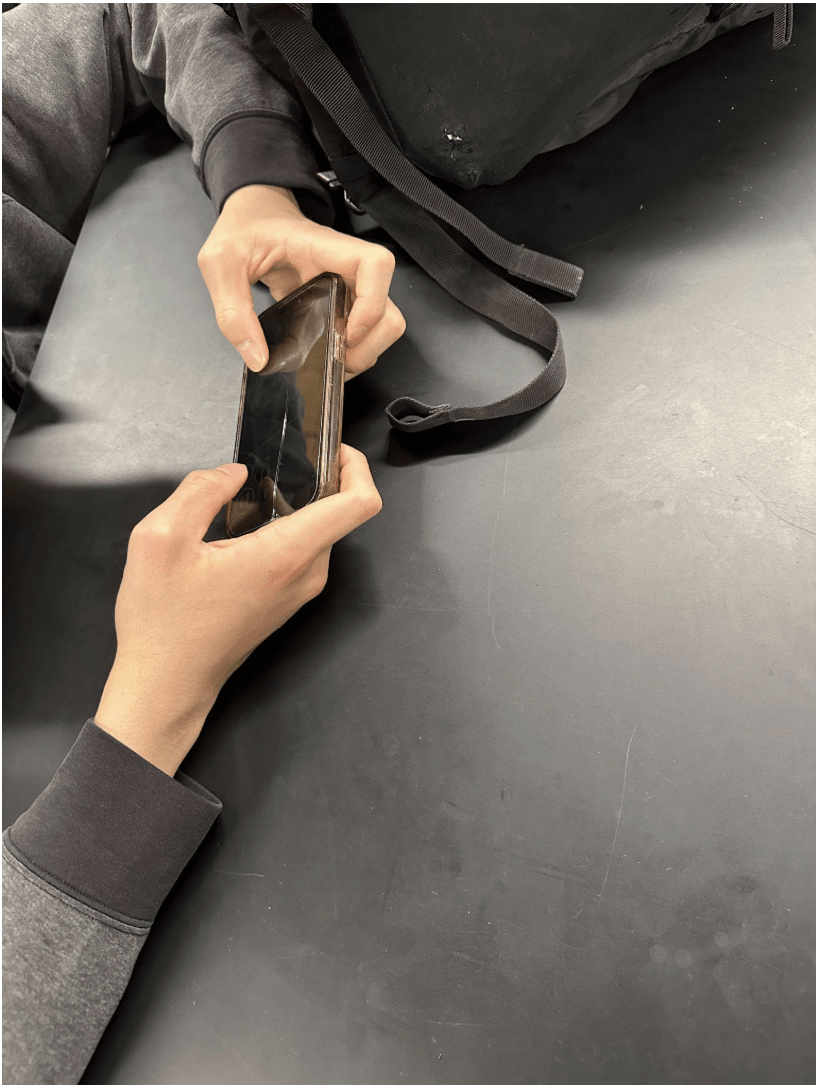
Although there are preventative measures that people could take to avoid contracting myopia in the first place, Covid school closures confined kids to their homes, forced them to spend more hours on screens and allowed students to skip mandatory annual eye exams. Additionally, Chicago’s year-long lockdown in 2020 along with the virtual learning sessions that replaced in-school learning may have been the worst news for the general health of CPS’ student body. Prolonged screen time, exemplified by the amount of online meetings and Google Classroom homework, has been proven to elongate the eye and worsen myopia.
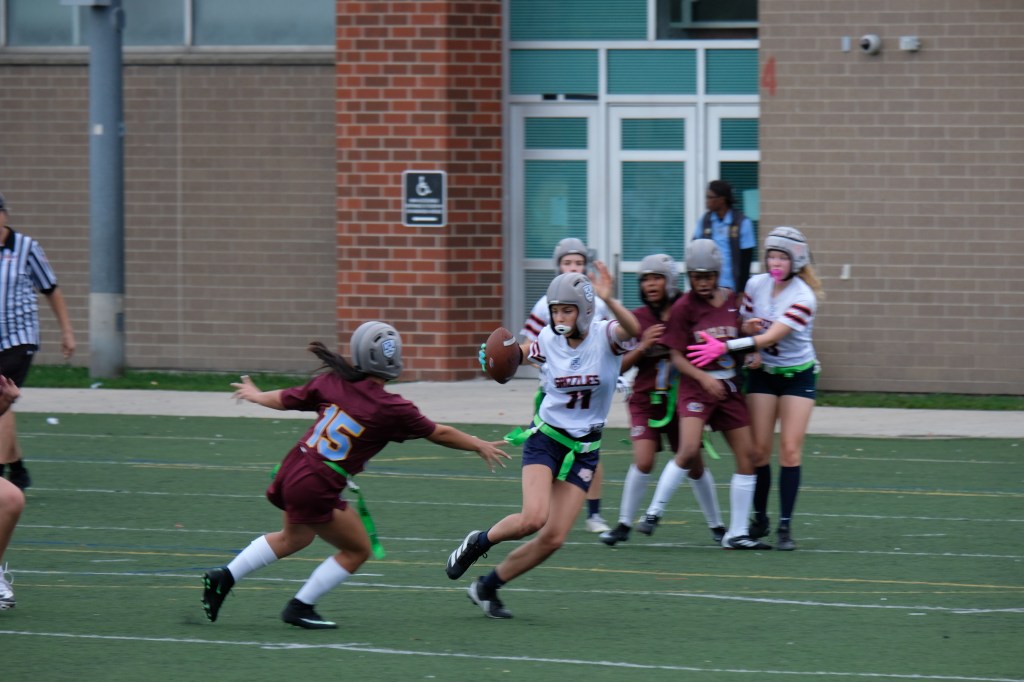
The fact that physical exercise was left behind only worsened the myopic epidemic as many recreational sports centers, kids’ leagues and gym classes were either closed for health reasons or conducted virtually. This was a tremendous loss given that increased outdoor activity is proven to lower the chances of children developing myopia at a young age, according to a study by the National Institute of Health (NIH).
Not only that, but studies show that after Covid, schools became more reliant on digital technologies for everyday homework and assignments, ensuring students would be spending more time on screens even after Covid. A research paper from the NIH outlined a trend between pre-pandemic screen usage and average myopic individuals and post-pandemic results, where as screen time increased, both the eyesight of the pre-pandemic myopic individual worsened, and the number of myopic individuals increased where there were not as many before.
Furthermore, the CPS administration was not prepared to hold families responsible for missing essential eye appointments, nor did they offer a health plan for their students before the pandemic. This led to children all over the city missing appointments during Covid and returning from appointments without necessary paperwork about their visionary health. Now, more kids arriving in eye checkup clinics are being prescribed glasses and other optic wear in greater frequencies and at younger ages.
However, CPS already requires and offers annual vision screenings. Why should Payton or other public schools do any more?
Firstly, CPS’s screenings can check for any early symptoms of eye problems, but students and their families cannot get an actual optical diagnosis unless they meet with professionals outside of school. This is difficult considering that working-class families struggle to get their students to vision appointments scheduled during the school day.
In-school vision exams are not that reliable either, as only 33 out of the 644 public schools in Chicago have school-based health centers, most of which were not accepting appointments during the pandemic. And because in-school clinics allow appointments for students by themselves, it is difficult for eye care providers to get in touch with any guardians for prescription information and further treatment options.
Given these challenges, it is no surprise there has been a recent surge of nearsighted diagnoses among Chicago’s youth after Covid. A study conducted by the British Journal of Ophthalmology investigated the behavioral effects of the pandemic in over 2000 Chicagoan kid participants and found that their myopic progression during Covid years (2020-2021) was more than double compared to their myopic progression during pre-Covid times (2019-2020).
Additionally, the CPS administration struggles with funding school communities with medical resources, as seen in school-board tension during the pandemic and in the lack of school-based health centers. As a result, plans for constructing more in-school health centers may not be the most cost-effective or quickest way to treat myopia.
Considering all of this, we have to realize that the solution to this health problem does not have to be funding more medically-trained staff in a school system that is already grappling with debts. Instead, we could directly impact how kids think about their own optical health. One way to accomplish this would be integrating optical care units into the health curriculum of all CPS students.
Because there is no cure for an eye condition like myopia, nor is there an easy and affordable way to prevent worsening myopia, CPS must bear the responsibility of educating students and staff alike about the importance of going to regular eye exams, wearing the right prescription glasses and practicing healthy habits that combat eye strain.
A way to implement myopia education into the student curriculum would be through eye exercise periods throughout the day or optical education units in students’ P.E. classes.
CPS could also send emails with information packets to families and students about the consequential side effects of myopia and how anyone, even kids with perfect vision, could develop nearsightedness. They would underscore preventative measures such as enforcing less screen time and promoting eye exercises or occasional breaks between homework and entertainment times.
For myopic youth in Chicago around the world who endured 2019-2022, the Covid era will never truly be overcome. We may have lost part of our vision, but that only opened our eyes to this invisible and irreversible global epidemic. And this time, we will not ignore the warning signs.


Leave a comment