

By Rehan Mathew Koshy, Staff Writer
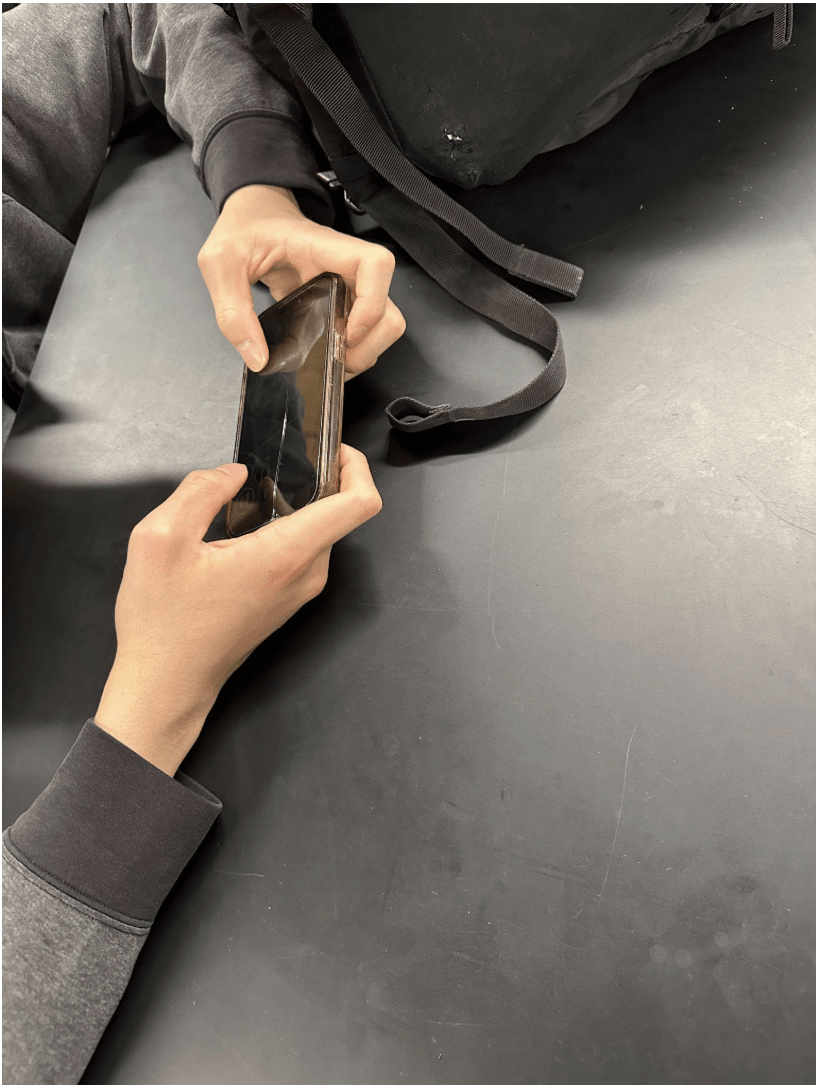
Illinois is currently considering a statewide school cell phone restriction backed by Governor JB Pritzker. This proposal would limit or ban student phone use during school hours, with schools potentially required to collect or store devices during the day. Although it has gained traction in the legislature, it has not yet become law, meaning that for now, individual school districts still control their own policies.
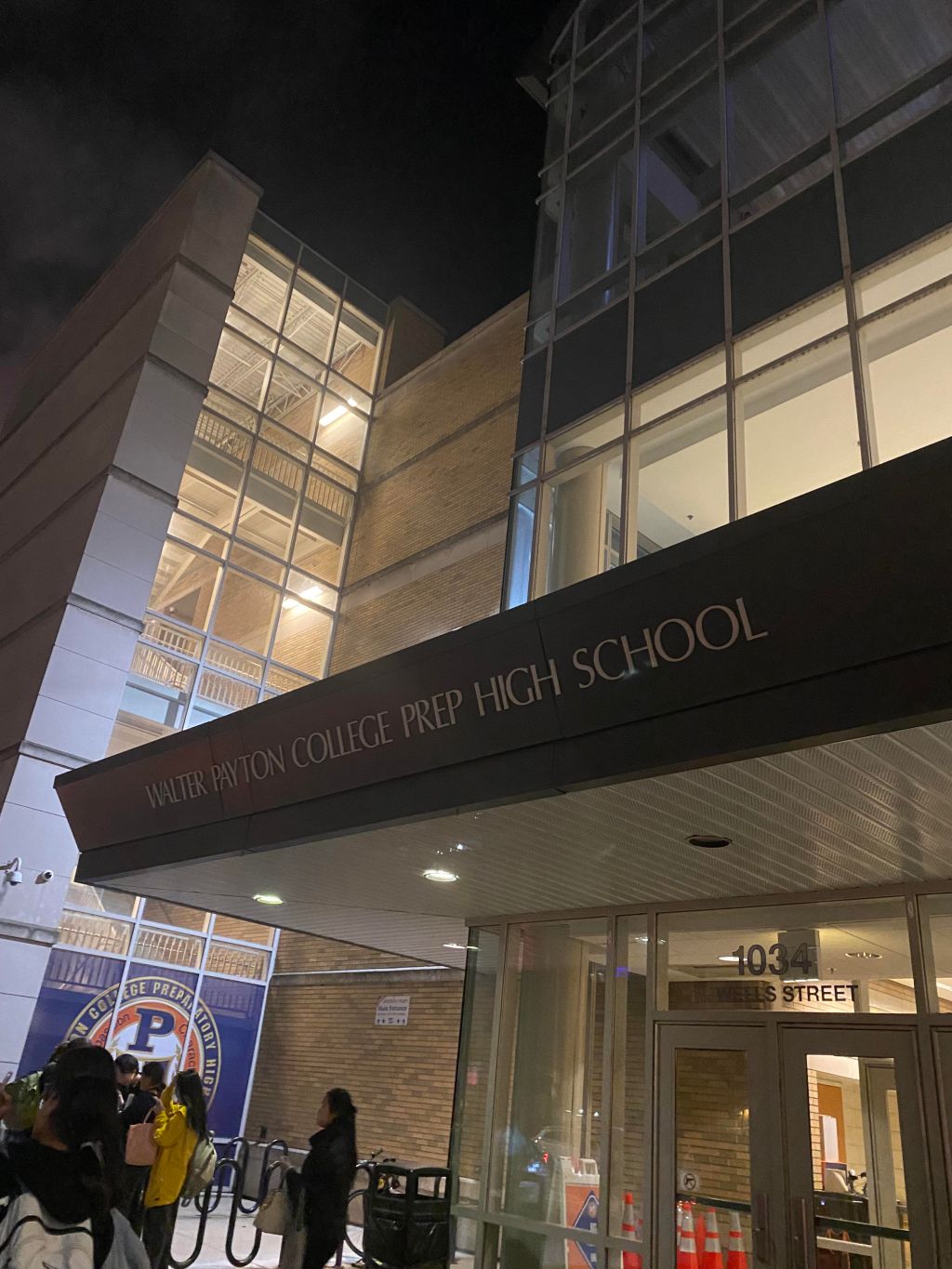
Supporters of this proposal argue that the policy would improve class focus, reduce distractions, and strengthen learning environments, believing that removing phones during instructional time would help students pay more attention and stay engaged. At Walter Payton College Preparatory High School, teachers and students offered differing perspectives on this proposal. According to Paul Gilden, an English and history teacher at Payton, “I fully support the ban on cell phones during school hours.” He believes that “there would be many positive impacts including but not limited to more engaged/present students and more conversation/joy in the halls, cafeteria, classrooms, etc.”
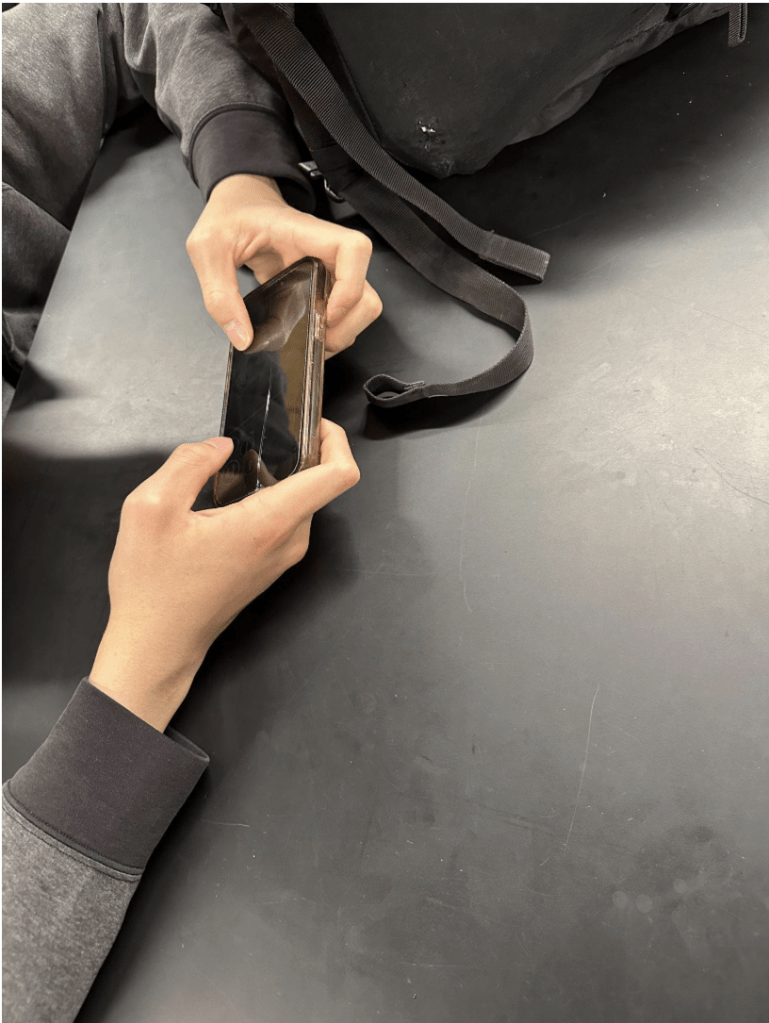
Students, however, are split on its effectiveness if it becomes law. Some think that it’s unsafe because phones are needed for emergencies and quick contact with family members or guardians. According to Tian Tian Dong ‘27, “I can hear the argument that a phone caddy should be used in class, but not being able to use a cell phone at all throughout the day is unreasonable. It cuts off contact with parents in the event of an emergency because directly contacting the student is much more convenient than contacting school administration during an emergency.” Others think that it won’t really work anyway since students will just find ways to bypass it. Brian Mo ‘28 said, “I do not think that this will have any positive impact on students because they will still find a way to stay off-task.”
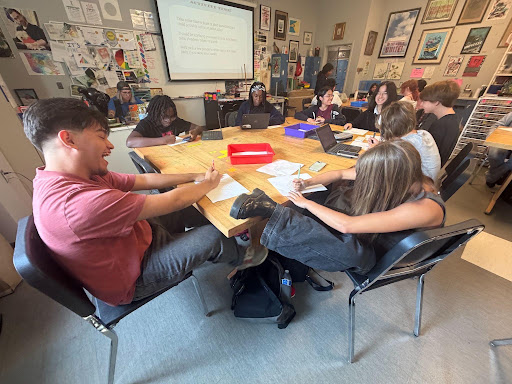
Teachers, however, often point to direct classroom experience as evidence of the policy’s potential effectiveness. Jeremy Rodriguez, a history, government, and AP Human Geography teacher at Payton, explained that after collecting phones at the beginning of class periods, he observed “very dramatic changes, not just in terms of student behavior and engagement in overall lessons,” but also in academic performance, noting “a pretty big difference” compared to when phones were allowed.
However, there is some student support for the argument that this policy can potentially increase student engagement, although it still leans against the policy overall. According to Dong ‘27, “The only impact it will have on students is affecting how locked in they are. Taking phones is good for improving students’ attention spans and focus in class, but phone usage should still be allowed during lunch.”
Many students are also concerned about the potential requirement that schools provide storage options for phones and collect them. According to Armaan Grewal ‘27, “In the instance where students are using their devices inappropriately, it would be wise to implement phone storage policies. However, if there has been a known risk that students’ devices may be stolen from those storage places, students should be provided with alternative options or have other restrictions placed on them.” Concerns about whether schools can realistically enforce the ban, especially regarding storage systems, student safety, potential theft, cost, and logistical burden will most likely continue to grow as the proposal moves through the legislative process.
There are also concerns about how the public will respond overall. Mr. Rodriguez noted that while the policy may have clear benefits, “there’ll be a fairly significant amount of backlash,” particularly from parents who may be “resistant… to the government regulating cell phones in an otherwise private setting.” He also acknowledged that students would likely oppose the policy, often citing emergency use, although he believes that those concerns are outweighed by “the overall beneficial impacts of a cell phone ban,” especially in districts where similar policies have already been successful.
Overall, student opinion largely leans against the policy, with many raising concerns about safety, communication, and whether enforcement would actually work in practice. Still, there is no clear consensus, as some see potential academic benefits that could improve focus in classrooms. For now, the proposal remains in the legislative process, and its real impact will only become if and when it is fully passed and implemented across Illinois schools.





Leave a comment